SARA KOPROWSKI, M.Ed. | SENIOR ASSOCIATE, EDUCATIONAL PLANNER
RICK WESTFALL, Ed.D. | SENIOR ASSOCIATE, EDUCATIONAL PLANNER
Today, public schools are some of the most important institutions in our societies. While they mirror our societies, they bring our ideals and our issues into focus. But in the contemporary world, characterized by the shifts in people’s values and beliefs, political polarization, and financial uncertainty, it is more complicated to build and sustain the trust between schools and the communities they serve. However, it is especially in these unstable conditions that such trust is necessary.
THE IMPORTANCE OF COMMUNITY ENGAGEMENT IN THE CONTEXT OF EDUCATION
Community engagement in public schools goes beyond the mere attendance of events or meetings called by the schools. It is a mutual partnership between the educators, students, parents, the community, and other organizations to ensure that the school is a safe place for learning and positive development of the students. Studies have time and again shown that high levels of community engagement are linked with better student performance. According to the National Education Association (NEA), schools with high levels of community engagement have better graduation rates and academic performance (NEA, 2020). For instance, a study by the Harvard Family Research Project indicated that students in active communities are more emotionally balanced and have fewer cases of disciplinary problems (Weiss et al., 2005). The author of the report pointed out that family involvement at home, at school, and in the community makes a big difference in the child’s academic achievement, attendance, and behavior. The children who have a support system of the community members are likely to feel wanted and motivated to learn and excel in their academics and other activities. Furthermore, in the modern world, schools are usually short of funds and therefore community partnerships are valuable assets. Relationships with local companies and nonprofits can help close the financial gap and provide students with more opportunities for learning. Such alliances, apart from improving the educational environment, also enhance the social and economic status of the community.
METHODS FOR DEVELOPING AND MAINTAINING TRUST:
The development of trust is not something that can happen on its own, it requires effort and planning. Some possible ways schools can develop real community trust include the following:
Clear and Frequent Communication:
As a way of passing information to the community, it is important to ensure that each school has published clear policies, the latest curriculum, and scheduled events. Using different media channels like newsletters, social media, and community forums guarantees that no one is left behind
Decision Making That Involves Everyone:
Involvement of the various stakeholders in the community in decision-making processes creates a feeling of ownership and accountability. Creating advisory boards or holding town hall meetings is a great way to engage everyone in the conversation.
Honesty and Accountability:
Trust is well maintained when schools deliver on promises, reply fast to questions, and are open in their operations. This is because leadership with ethical standards deals with issues and provides solutions to them.
Partnership with Local Actors:
Interacting with local businesses, cultural institutions, and civic organizations can help to enrich the educational offerings and offer learning experiences that are relevant to the real world. These partnerships can also be seen as evidence for the school’s involvement in the community.
Celebrating Successes Together:
Celebrating the achievements of students, staff, and the community fosters positive relations and encourages a shared vision. Documenting progress and celebrating the small and big successes, at the same time, creates a bond.
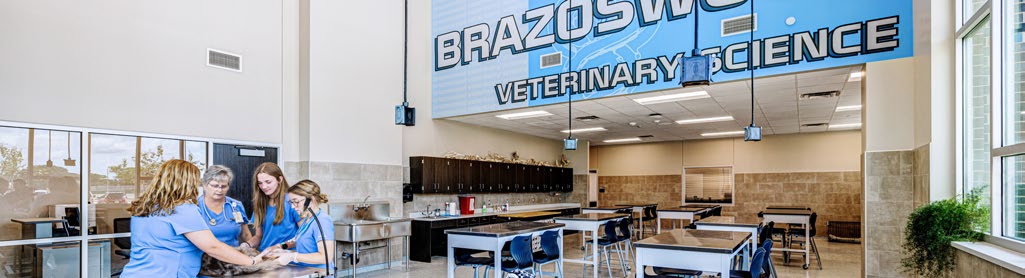
Some good practices of community engagement in schools can be found in the following cases:
BRAZOSPORT ISD:
BISD embarked on a comprehensive four-phase master plan to renovate Brazoswood High School, which entailed building a new high school facility, a multisport field house, and a new Career and Technical Education (CTE) building. The new CTE provides training in culinary arts, STEM, welding, manufacturing, veterinary science, floral design, health science, and information technology. These programs equip students with skills and certifications that prepare them for both college and future careers.
The involvement of community industry partners in the design of a new high school, particularly one focused on CTE, was essential to creating a future-ready learning environment. These partners played a vital role in aligning learning spaces, specialized equipment, and skill development with current industry standards, making education more relevant and engaging for students. Throughout the design process, industry professionals offered valuable insights, constructive feedback, and real-world examples of flexible, authentic, hands-on environments that simulate modern workplaces. Their participation not only strengthened community connections but also helped establish clear pathways to student success through internships, mentorships, and job placement opportunities. The district and industry partnerships during the high school design process support a seamless transition from high school CTE pathways to future careers.
“The mission of Brazosport ISD is to graduate each student to be future ready and it is our belief that partnerships are vital to strengthening learning experiences for our students,” said Superintendent Danny Massey. “Through these partnerships with local industries and businesses, we have the opportunity to understand workforce demands to ensure we are graduating students with skills needed for high-wage and high-demand areas.”
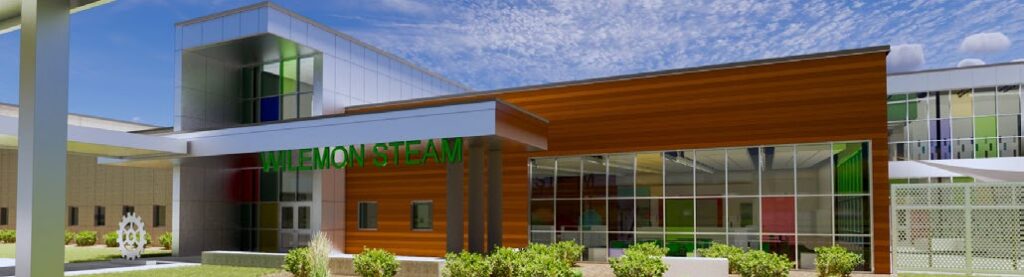
WAXAHACHIE ISD:
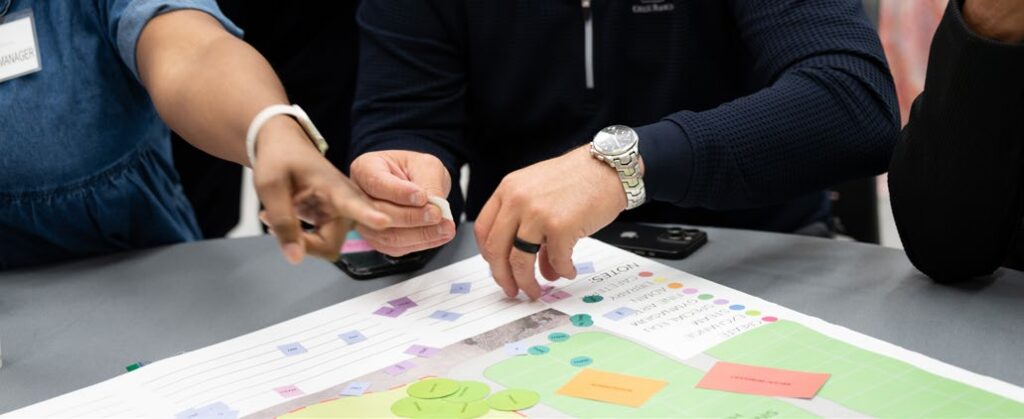
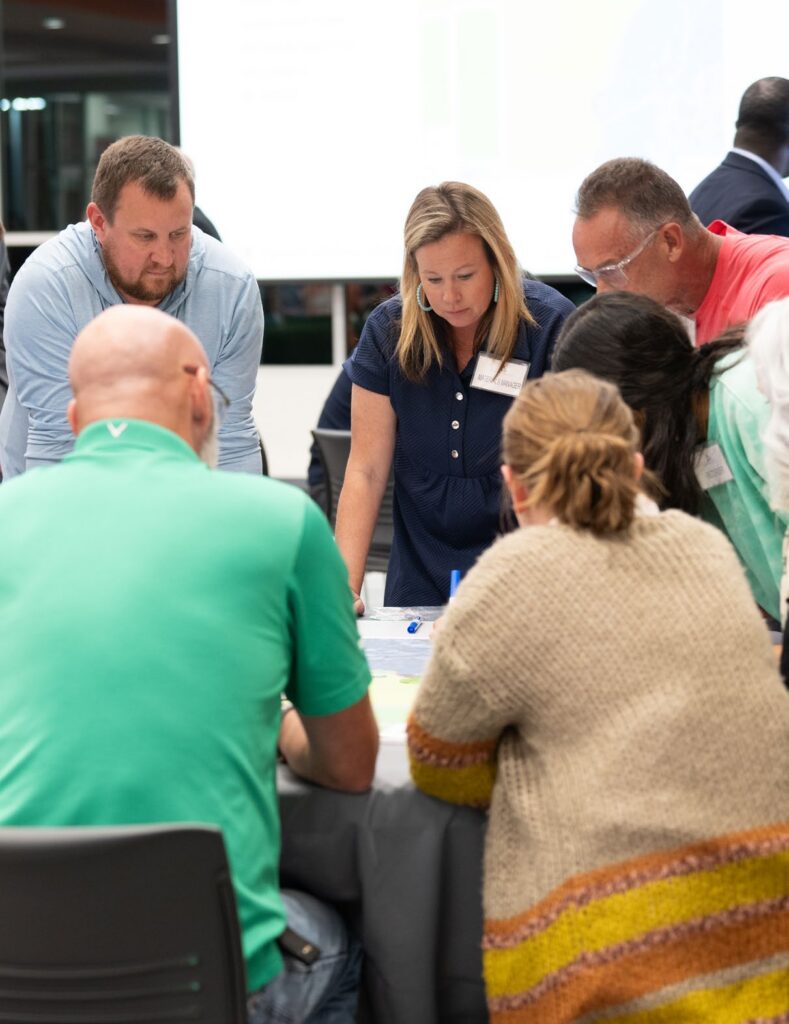
Due to the high rate of student population increase, WISD worked with educators, architects, and the community to design Waxahachie Creek High School. The new 520,000 sf campus, set to open in the 2027-2028 school year, will be able to handle up to 3,200 students. Design charrettes were a vital part of the VLK | LAUNCH® process for Waxahachie ISD, providing two collaborative, hands-on workshops where stakeholders could actively take part in shaping the vision and design for the new high school. These collaborative meetings brought together students, teachers, parents, community members, and district leaders to explore innovative ideas such as CTE programming, future-ready learning spaces, and flexible environments into design concepts. The VLK | LAUNCH® process encouraged real-time feedback, collaborative teamwork, and creative problem-solving resulting in shared excitement and overarching design for the project. The project is a good example of how community engagement can lead to the development of facilities that are not only suitable for the current educational needs but also for the future. The project is a good example of how community engagement can lead to the development of facilities that are not only suitable for current educational needs but also for the future (VLK | LAUNCH®, 2024).
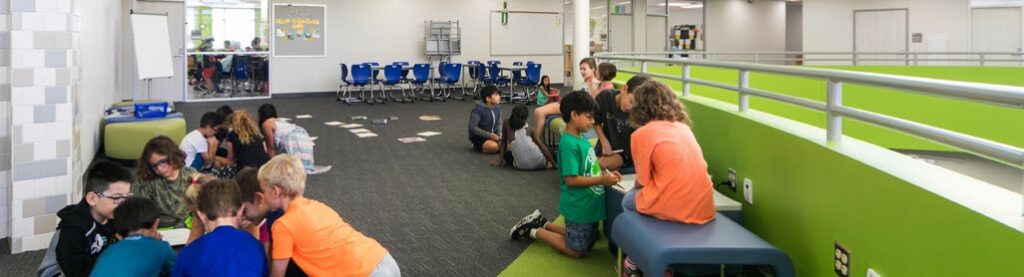
HOUSTON ISD:
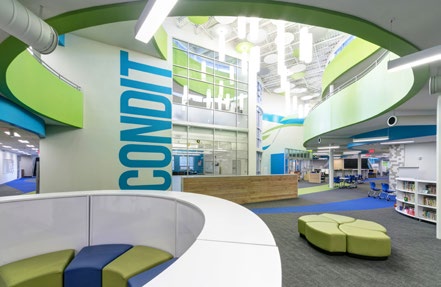
Condit Elementary, serving the Bellaire community, was shaped by strong parent, teacher, and community involvement throughout the design process. Stakeholders participated in a design charrette to help define the vision and goals for the new school, placing a strong emphasis on honoring the historical connection between the school and its community. At the forefront of the design was the desire for a transformational learning environment that reflected both the past and future of learning.
Bi-monthly meetings with the project advisory team ensured the continued integration of community values and historical elements into the evolving design. The overarching design concept, ‘Education is the Ribbon that Ties the Community Together,’ guided the entire process, inspiring a school that is a connected collaborative environment and a reflection of shared history. This collaborative environment ensured historical features from the original 100-year-old building were carefully preserved and incorporated, while a timeline in the main hallway chronicles key moments in the existing school, the Bellaire community, and major historic events of the world. Shared spaces such as the gym, cafetorium, and outdoor areas are open for community use supporting a sense of pride, connection, and belonging.
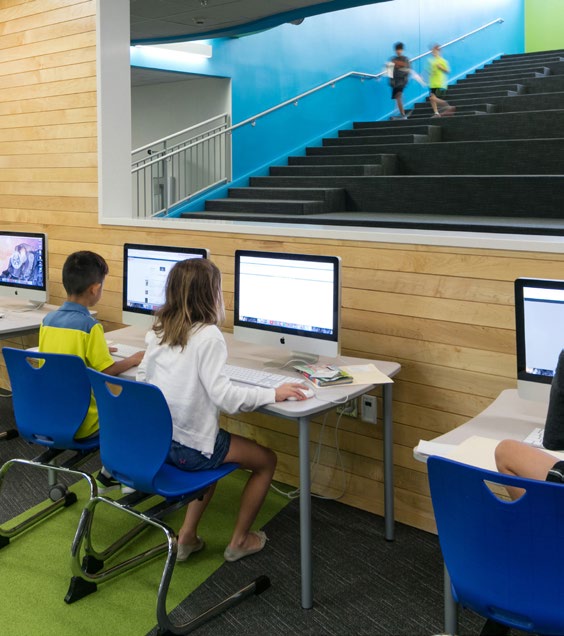
“Condit Elementary is a special school,” said Principal Daniel Greenberg. “Thanks to the forward-thinking leadership of HISD, VLK and the community, the learning experience for Condit students reflects the times they are living in; a modern, 21st-century world.”
THE IMPORTANCE OF TRUST AS IT TRANSFORMS SCHOOLS AND THEIR COMMUNITIES:
Improved Student Motivation
Students are more likely to attend school on a regular basis, pay attention in class, and participate in other co-curricular activities when they have a community that supports them.
Stronger in Crisis
Schools that are based on trust can manage the challenges of health crises, natural disasters, or financial constraints with the help of their students, parents, and teachers.
Improved Educator Morale
Teachers work better in environments where their efforts are appreciated and supported, which leads to higher job satisfaction and retention rates.
Sustainable Community Development
The community benefits from a highly educated citizenry, who are more likely to be actively involved in the community and the economy.
CONCLUSION
In times of uncertainty, the relationship between schools and their communities becomes a vital source of strength. Building trust through open communication, inclusive decision-making, and authentic partnerships not only strengthens educational outcomes—it creates schools that reflect the values, history, and aspirations of the people they serve. This trust doesn’t just shape how communities feel about their schools—it directly influences how successful school projects become. When community voices are present from the beginning, as seen in Brazosport ISD, Waxahachie ISD, and Houston ISD, the result is more than a building. It’s a shared vision brought to life—where students thrive, teachers feel supported, and the community sees itself in every hallway, classroom, and common space.
REFERENCES
National Education Association (NEA). (2020). The power of community engagement in education. Retrieved from https://www.nea.org
Weiss, H., Caspe, M., & Lopez, M. E. (2005). Beyond the Head Start father involvement program: The Harvard Family Research Project. Harvard Family Research Project.
Brazosport Independent School District. (2023). Phase 3 for Brazoswood High School. Retrieved from https://www.brazosportisd.net/2019-2020_news/phase_3_for_brazoswood_high_school
VLK | LAUNCH®. (2024). Waxahachie ISD: Engaging communities in school design. VLK Architects. Retrieved from https://www.vlkarchitects.com/case-study/ waxahachie-creek-high-school
Houston Independent School District (2018). Condit ES receives highest honor in school architecture competition. Retrieved from https://blogs.houstonisd.org/news/2018/01/19/condit-es-receives-highest-honor-in-school-architecture-competition/